Newsletter Subscribe
Enter your email address below and subscribe to our newsletter
Enter your email address below and subscribe to our newsletter

 ByJohn A
Polished concrete is a versatile flooring option for property owners seeking a durable surface with a clean, contemporary appearance. It combines the natural character of concrete with a refined finish that can complement residential interiors, retail spaces, offices, and selected commercial environments. Choosing the right flooring system, however, requires consideration of the existing slab, the intended use of the space, and long-term maintenance requirements.
For property owners exploring polished concrete Sunshine Coast, understanding the polishing process and available finishes is an important first step. Factors such as aggregate exposure, gloss level, moisture conditions, and slip resistance can influence whether polished concrete is suitable for a particular property.
This guide covers the benefits, applications, finishes, costs, and maintenance considerations to help you make an informed flooring decision.
Polished concrete is produced by mechanically grinding and refining a concrete surface to achieve a specified level of smoothness and sheen. The process can expose decorative aggregate within the slab and create different appearances, from understated satin finishes to more reflective surfaces.
Unlike tiles or timber flooring, polished concrete uses the existing concrete as the finished surface. Consequently, the slab’s composition, condition, and previous treatments play an important role in determining the final result.
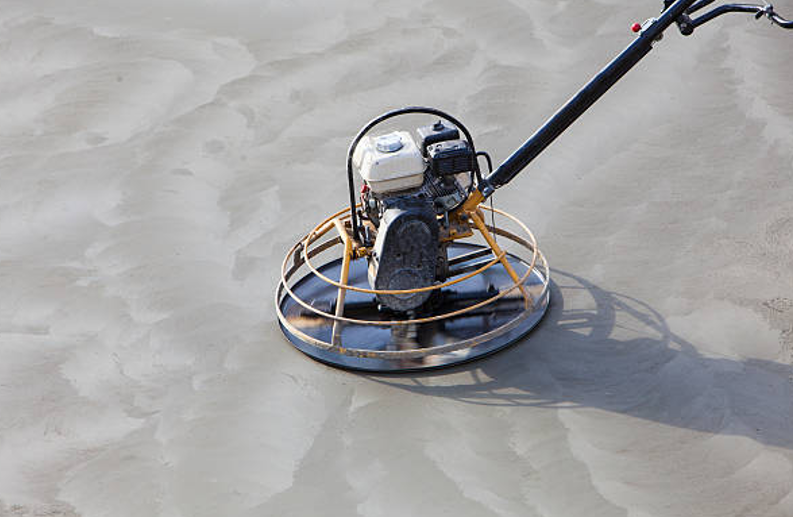
Mechanical grinding removes surface irregularities and prepares the concrete for refinement. Contractors use specialised equipment and abrasive tools to gradually smooth the surface and establish the required aggregate exposure.
The polishing process continues through progressively finer abrasives to achieve the selected finish. Preparation may also involve removing coatings, repairing suitable defects, and addressing uneven areas.
The exact sequence depends on the slab and the intended result. Appropriate preparation helps create a consistent finish while accounting for the natural characteristics of the concrete.
Concrete densifiers are commonly used during mechanical polishing. These products react with suitable compounds in the concrete to help increase surface hardness and reduce porosity.
Further polishing stages refine the surface and develop the desired sheen. The combination of preparation, densification, and polishing contributes to the appearance and performance of the floor.
Not every slab requires the same treatment. The contractor should select a suitable system based on the concrete’s condition and the property’s requirements.
The existing slab affects the achievable finish. Variations in colour, aggregate distribution, cracks, previous repairs, and surface contamination can influence the final appearance.
Some imperfections may remain visible after polishing, while other defects may require preparation or repair. An inspection helps identify these factors before work begins and establishes realistic expectations about the finished floor.
Polished concrete can provide a practical combination of durability, straightforward cleaning, and design flexibility. Its suitability depends on the environment, the quality of installation, and how the floor will be used.
For Sunshine Coast properties, it is also important to consider moisture conditions, sand and grit tracked indoors, and the difference between indoor flooring and outdoor surfaces.
Concrete provides a strong flooring base, and mechanical polishing can create a dense surface suitable for many areas with regular foot traffic. This makes polished concrete worth considering for living areas, offices, retail interiors, and showrooms.
However, durability does not mean complete resistance to damage. Abrasive particles, heavy impacts, dragged furniture, and unsuitable chemicals can affect the surface. Proper installation and routine care help preserve the finish.
Polished concrete is generally easy to clean because it does not have grout lines or separate flooring layers that require replacement. Regular dust removal and damp mopping with a suitable cleaner are usually sufficient for routine care.
Maintenance needs vary according to traffic, the selected finish, and the cleaning products used. Commercial floors may require more frequent attention than residential interiors, particularly in areas where dirt and grit accumulate.
Polished concrete offers different design possibilities through aggregate exposure, colour variation, and sheen. A subtle finish can create a restrained appearance, while greater aggregate exposure can add texture and visual interest.
The surface can complement timber, metal, glass, and a variety of furniture styles. Selecting the right finish helps ensure the floor supports the overall interior design.
Gloss level determines how much light the floor reflects, while aggregate exposure describes how much stone is visible within the concrete. These are separate characteristics that can be selected according to the desired appearance.
A high-gloss finish may create stronger reflections, while satin finishes offer a softer look. Greater aggregate exposure can produce a more decorative surface, although the final result depends on the slab’s composition and grinding depth.
Polished concrete can be suitable for a range of residential and commercial settings when the slab and polishing system meet the requirements of the space. Before selecting it, consider traffic levels, moisture exposure, cleaning routines, and the desired appearance.
For guidance on available concrete flooring systems, Allure Concrete Solutions provides flooring options for residential, commercial, and industrial projects across the Sunshine Coast and South East Queensland. The appropriate finish depends on the slab’s condition, the use of the space, and the required surface characteristics.
Polished concrete can work well in living rooms, kitchens, hallways, and open-plan interiors. It can also be considered during renovations where a suitable existing slab is available.
Before polishing, the slab should be assessed for cracks, unevenness, moisture concerns, and previous coatings. Concrete also feels firm underfoot and may feel cool in some conditions, so comfort should be considered as part of the flooring decision.
Retail stores and offices can benefit from polished concrete’s clean appearance and suitability for regular foot traffic. The finish should be selected according to the level of use, furniture movement, and cleaning requirements.
Project planning should also account for access restrictions and any disruption to normal operations. A clearly defined scope helps establish the work required and the expected outcome.
Polished concrete can suit showrooms and selected industrial interiors where a refined surface and practical maintenance are important. The finish can provide a consistent flooring base while retaining the natural character of concrete.
Not every industrial environment is suitable. Spaces exposed to aggressive chemicals, heavy impacts, frequent moisture, or specialised hygiene requirements may need a different flooring system.
The finished appearance depends on grinding depth, aggregate exposure, polishing stages, and the original condition of the slab. Understanding the available options helps you choose a finish that meets both design and practical requirements.
Minimal aggregate exposure retains most of the cement paste near the surface, creating a relatively uniform appearance. Medium exposure reveals more of the embedded stone, adding visual variation.
Full aggregate exposure involves deeper grinding to reveal more of the concrete’s internal materials. The achievable level depends on the slab’s composition, thickness, and condition.
Discuss aggregate exposure with the contractor before installation because the existing concrete may limit the available options.
Polished concrete can have satin, semi-gloss, or high-gloss appearances. Satin offers a softer visual effect, while semi-gloss and high-gloss finishes reflect more light.
The choice should reflect the property’s design, lighting conditions, and maintenance expectations. A more reflective surface is not automatically better, and gloss level alone does not establish slip resistance.
Slip resistance is an important consideration wherever moisture, spills, or contaminants may be present. A polished surface can become slippery under certain conditions, so the finish should be assessed for the intended environment.
Discuss applicable slip-resistance requirements with the contractor, particularly for entrances and areas exposed to water. The recommended system should balance appearance with safe use and appropriate maintenance.
Polished concrete can be suitable for many indoor Sunshine Coast properties, but moisture conditions and exposure must be evaluated before installation. Climate alone does not determine suitability. The slab, surrounding environment, and intended use all influence the appropriate flooring choice.
Moisture within or beneath a concrete slab can affect flooring performance and may influence the suitability of certain treatments. Before polishing, the contractor should assess relevant moisture concerns and determine whether additional investigation or preparation is required.
Spills, humidity, and water entering through external openings should also be considered when planning maintenance. The selected system must be appropriate for the conditions in which it will be used.
Mechanically polished concrete is commonly selected for indoor spaces where a controlled, refined finish is desired. Outdoor areas face different conditions, including rainfall, weather exposure, and changing surface temperatures.
An indoor polished finish should not automatically be assumed suitable for exposed outdoor areas. External applications may require a different concrete finishing system designed for weather exposure and slip resistance.
Bathrooms, wet entrances, and other moisture-prone areas need particular attention. Water and cleaning residues can affect traction, regardless of the floor’s general appearance.
Ask the contractor to recommend a finish suitable for the expected moisture exposure and applicable safety requirements. The cleaning and maintenance plan should also address how water and contaminants will be managed.
Polished, honed, and burnished concrete offer different finishing approaches. Understanding their differences helps property owners choose a system based on appearance, performance, and the conditions of the space.
Mechanically polished concrete is produced through progressive grinding and polishing, often with densifiers. It can provide different levels of aggregate exposure and sheen.
Honed concrete is generally ground to create a smooth, matte or low-sheen finish. Depending on the system and application, a suitable sealer may be used.
Burnished concrete uses a different finishing approach to refine the surface and can create a relatively low-exposure appearance. The exact method varies, so the proposed system should be clearly identified.
Maintenance depends on the finishing method, protective treatments, foot traffic, and environmental exposure. Some systems may require specific cleaning products or periodic reassessment of surface protection.
Ask the contractor to explain whether a sealer or other treatment is included and what ongoing care is recommended. This information helps establish long-term maintenance requirements before you commit.
Consider the intended use of the space, the preferred appearance, moisture exposure, and the level of maintenance you can reasonably provide.
Request an explanation of the available systems and their limitations. Comparing these factors helps you choose a finish that meets practical needs as well as design preferences.
Polished concrete costs vary according to floor area, slab condition, preparation requirements, and the selected finish. A site-specific quotation provides a more accurate estimate than a generic price per square metre.
Larger floors may require more labour and equipment time, but the condition of the slab can have an equally important effect on cost. Cracks, unevenness, existing coatings, and contamination may require additional preparation.
Ask the contractor to identify the work included in the price so you can understand how the slab’s condition affects the total estimate.
Greater aggregate exposure may require deeper grinding, while particular gloss levels may involve additional polishing stages. Edges, obstacles, access limitations, and decorative requirements can also affect project complexity.
Any proposed repairs, treatments, or sealing should be clearly listed in the quotation.
An inspection allows the contractor to assess the concrete and discuss the achievable finish. It also helps identify preparation requirements that may not be apparent from photographs or general descriptions.
Request a written quotation outlining the polishing system, finish, preparation, exclusions, and expected timeframe. Comparing quotations with similar scopes makes it easier to evaluate the options.
Routine maintenance helps preserve the floor’s appearance and reduces avoidable wear. The appropriate approach depends on the finish, traffic levels, and any treatments applied during installation.
Remove dust and grit regularly using a suitable dust mop or vacuum. Fine particles can act as abrasives when repeatedly walked across the surface.
Damp mop with clean water and a suitable pH-neutral cleaner. Follow the contractor’s recommendations and avoid leaving excess water on the floor.
Clean spills promptly, particularly substances that may stain or react with the concrete. Entrance mats can help reduce tracked-in sand and grit, provided they are appropriate for the location.
Use protective pads beneath furniture and lift heavy objects rather than dragging them across the floor. These measures can help reduce scratches and unnecessary wear.
The contractor should provide care instructions specific to the installed system. Follow the recommendations for cleaning products, protective treatments, and any periodic maintenance.
If the floor develops persistent dull patches, staining, or surface damage, seek professional advice before applying additional products or coatings.
A suitable contractor should understand concrete preparation, polishing systems, and the limitations of different slabs. Clear communication and a detailed written scope are important for achieving the expected result.
Ask about experience with projects that have similar requirements. Confirm any applicable licensing or registration requirements and request evidence of appropriate insurance.
A knowledgeable contractor should be able to explain the proposed process and how it addresses the slab’s condition.
Review relevant completed projects or samples where available. Discuss aggregate exposure, sheen, colour variation, and any limitations that may affect the final appearance.
If a sample or test area is possible, use it to clarify expectations before the full floor is completed.
Confirm the preparation work, repairs, equipment access, expected timeframe, and site protection arrangements. Ask when the floor can be used after the work is completed and what maintenance instructions will be provided.
A written agreement helps clarify responsibilities and reduces uncertainty during the project.
See also: What Does Nexus Acquisition Marketing Mean for Modern Service Businesses?
Yes, polished concrete can suit many indoor residential spaces when the slab is appropriate and the finish meets the property’s requirements. Moisture conditions, comfort, and slip resistance should be considered before installation.
Yes, many existing slabs can be polished. Suitability depends on the concrete’s condition, thickness, previous coatings, cracks, and surface quality. An inspection helps establish the preparation required.
A standard indoor polished finish should not automatically be used outdoors. External areas may require a different system designed for weather exposure and suitable slip resistance.
Routine maintenance generally involves removing dust and grit, damp mopping with a suitable cleaner, and promptly cleaning spills. The precise requirements depend on the finish and any protective treatments.
The price depends on the floor area, slab condition, preparation, aggregate exposure, selected finish, and project complexity. An on-site assessment and written quotation provide the most reliable estimate.
Polished concrete can be a worthwhile flooring choice for Sunshine Coast homes and commercial properties seeking a durable surface with a contemporary appearance. Its range of finishes, straightforward routine cleaning, and compatibility with many interior styles make it a practical option for suitable spaces.
However, the result depends on the condition of the concrete, the selected polishing system, and the quality of preparation and installation. Moisture exposure and slip resistance should also be considered, particularly where water may be present.
To discuss your flooring requirements and explore suitable options for your property, visit the Contact Us page to make an enquiry and arrange the next step.