Newsletter Subscribe
Enter your email address below and subscribe to our newsletter
Enter your email address below and subscribe to our newsletter

 ByJohn A
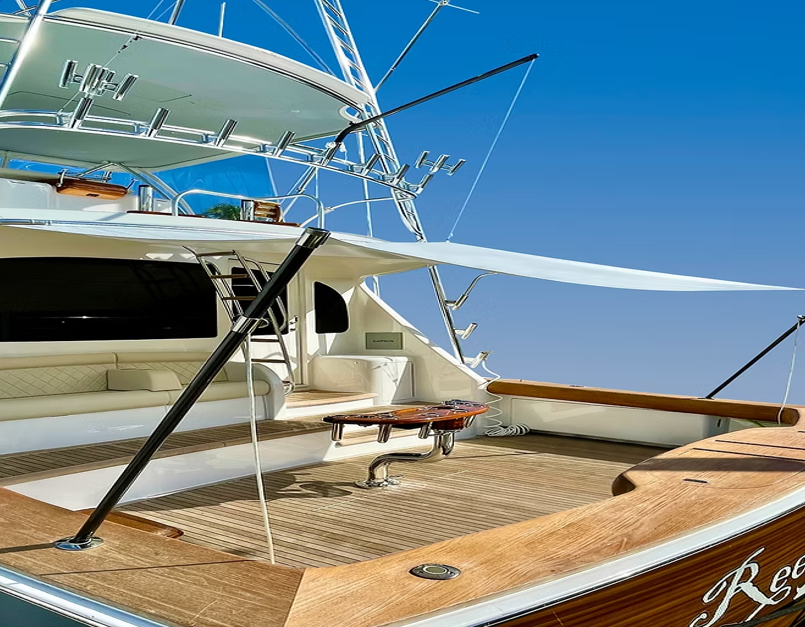
Fishing on the water can mean spending several hours under direct sunlight, particularly on boats with open decks and limited overhead coverage. Although fishing boats are designed to provide access to equipment and maximise usable deck space, their open layouts can leave anglers and passengers exposed to the sun. A suitable shade system can improve comfort while helping reduce direct UV exposure and protecting parts of the boat’s interior.
Several options are available, including Bimini tops, T-tops, hardtops, removable rod holder shade poles, and custom marine shade panels. Each option offers different advantages in terms of coverage, installation, storage, and fishing access. The right choice depends on your boat type, the areas you want to cover, and the conditions in which the shade will be used.
If you are comparing a fishing boat shade, consider the canopy dimensions, support materials, mounting compatibility, and fabric performance before making a decision. These details can help you choose a practical setup without unnecessarily restricting movement or access to fishing equipment.
Shade is an important consideration for fishing boats because anglers often remain outdoors for extended periods. Without suitable coverage, the helm, seating areas, and open deck can receive substantial direct sunlight. A well-designed canopy helps create a more comfortable environment while allowing the boat to retain its intended functionality.
Extended time in direct sunlight can increase discomfort and contribute to harmful UV exposure. A suitable shade canopy reduces direct sunlight reaching the covered area, making it easier to take breaks from the sun while remaining on the boat.
Shade should be combined with other protective measures, including sunscreen, sunglasses, protective clothing, and regular breaks. The level of protection depends on the fabric, canopy coverage, and sun angle throughout the day.
Open cockpits provide room for movement and access to fishing equipment, but they may offer little protection from direct sunlight. Adding a canopy can make selected seating and working areas more comfortable during fishing activities.
Consider the canopy’s position and height when choosing a system. It should provide useful shade without creating obstacles around walkways, storage compartments, or fishing stations.
Repeated exposure to sunlight can contribute to fading and deterioration of upholstery, cushions, and some equipment materials. A canopy can reduce direct exposure in covered areas, although it cannot eliminate all effects of sunlight, heat, or weather.
Choose fabric designed for marine use and maintain it according to the manufacturer’s recommendations. Regular cleaning and appropriate storage also help preserve the shade system.
Shade can make a fishing boat more comfortable for everyone onboard, especially when several people share the same deck space. A well-positioned canopy provides a sheltered area for sitting, resting, or preparing fishing equipment.
Coverage should remain balanced with airflow and visibility. A large canopy is not always the best choice if it restricts movement or creates excessive wind resistance.
Fishing boat shade systems vary in their mounting methods, coverage, and storage requirements. Comparing the main options helps you determine which design fits your boat and how you use it.
Bimini tops use a frame and fabric canopy to provide overhead protection. Depending on their dimensions, they can cover seating areas, parts of the cockpit, or other open sections of the boat.
They are worth considering when general-purpose shade is a priority. However, check the frame’s folded dimensions, installation requirements, and clearance around fishing equipment before choosing a model.
T-tops and hardtops provide fixed overhead protection, generally around the helm and adjacent areas. They can be useful for boats that need a permanent shaded space while maintaining an open deck layout.
Their coverage is limited by the dimensions and position of the structure. If the bow or aft deck remains exposed, a compatible extension may provide additional shade.
Removable shade poles can support a fabric canopy through compatible rod holders or other approved mounting points. This arrangement may offer flexible coverage without requiring permanent deck modifications when suitable hardware is already available.
Check pole dimensions, holder compatibility, canopy size, and operating limitations before purchasing. Not all rod holders are designed to support shade systems, so compatibility must be confirmed.
Custom marine shade panels can be designed for particular boat dimensions and coverage requirements. They may be useful when standard canopies do not fit the existing structure or leave important areas exposed.
Before ordering, establish the required coverage, mounting positions, fabric specifications, and storage arrangements. Accurate measurements help ensure that the panel suits the intended area.
The best shade system balances sun protection, fishing access, durability, and ease of use. Before comparing individual products, identify the areas that need coverage and determine how the canopy will fit around existing equipment.
Start by identifying your boat’s design, including whether it has a center console, an existing T-top, a hardtop, or an open cockpit. These features influence the mounting options available and the amount of additional shade required.
Measure the available space and note the location of rails, antennas, rod holders, and other fittings. The system should complement the existing layout rather than interfere with its primary functions.
Different areas of the boat may require different shade arrangements. Bow coverage can protect forward seating, cockpit shade can make the central working area more comfortable, and aft deck coverage may be useful where anglers spend time handling equipment.
Prioritise the area where shade is needed most. Check canopy dimensions and positioning to determine whether one system can provide sufficient coverage or whether a different configuration is more appropriate.
Carbon fiber and aluminum are commonly used for marine shade poles. Carbon fiber is often valued for its high strength relative to its weight, while aluminum offers a practical balance of weight, strength, and cost.
Compare the complete pole assembly rather than focusing only on its material. Pole diameter, construction, fittings, corrosion resistance, and manufacturer specifications all contribute to durability and suitability.
Marine shade fabric should be designed for outdoor exposure and appropriate for the conditions in which it will be used. Review information about UV performance, resistance to fading, cleaning requirements, and material durability.
Ventilation is also important because larger canopies can affect airflow and create additional wind resistance. Select a fabric and canopy size that meet your coverage requirements without ignoring the manufacturer’s operating limits.
Verify the dimensions and design of the intended mounting points before purchasing a shade system. If the product uses rod holders, confirm the required internal diameter, mounting depth, and suitability for supporting the poles.
Storage is another practical consideration. Removable systems should be easy to take down and store securely when they are not needed.
Shade poles can be a practical option when additional coverage is required without installing a large permanent structure. Their suitability depends on the boat’s mounting points, the required canopy dimensions, and the activities taking place beneath the shade.
Rod holder-mounted systems use compatible holders to support the poles that carry a fabric canopy. The arrangement can provide additional overhead coverage when the existing holders and mounting hardware meet the product’s requirements.
Check that the poles fit securely and that the mounting points are suitable for the intended application. Never assume that a standard rod holder can support every shade system.
A removable pole system may provide additional shade without requiring a large frame across the deck. This can be useful when the boat’s existing structure already provides some coverage but leaves selected areas exposed.
Confirm whether the system requires additional mounting hardware or modifications. Installation requirements vary between products, even when their overall designs appear similar.
Fishing access should remain a priority when selecting a shade pole arrangement. Poles, support lines, and fabric edges should not unnecessarily obstruct casting, rod storage, or access to fishing equipment.
Review the position of rod holders and the expected movement around the deck. The shade should provide comfort without making normal fishing activities more difficult.
Removable shade systems can be taken down when additional coverage is no longer needed. This can simplify storage and help preserve access to the deck for other activities.
Follow the manufacturer’s removal and storage instructions. Keep the fabric, poles, and fittings secure and inspect them before reinstalling the system.
When comparing product options, Sunfly Poles offers a starting point for reviewing boat shade solutions and their specifications. Check the available product details to determine whether the mounting arrangement, pole material, and canopy configuration suit your fishing boat.
The right shade setup depends partly on where and how the boat is used. Inshore trips, recreational fishing, and offshore journeys can involve different space requirements and environmental conditions. Choose a system that fits the boat and follow its operating guidance.
Inshore and recreational fishing boats may benefit from removable shade that covers seating or selected open deck areas. Consider how frequently the shade will be installed and whether the system can be removed when fishing access is the priority.
Coverage, storage, and mounting compatibility should guide the selection.
Offshore conditions can involve changing winds, spray, and greater exposure to the elements. A shade system must be suitable for the boat’s intended use and operated within the manufacturer’s stated limits.
Do not assume that a canopy suitable for calm conditions will be appropriate in stronger winds or at every operating speed.
Shade poles should be positioned to avoid unnecessary interference with rod holders, reels, tackle storage, and other equipment. Consider the space required to handle rods and move around the deck before finalising the arrangement.
Canopies create additional wind resistance and may place stress on poles, fittings, and mounting points. Check the manufacturer’s instructions for wind conditions, operating speeds, and removal requirements.
Remove or stow the shade whenever required by the product guidelines. Never assume that a removable canopy is suitable for every weather condition.
Correct installation and regular maintenance help keep a shade system in suitable working condition. Follow the product-specific instructions because mounting methods and care requirements vary between designs.
Inspect the mounting points for corrosion, looseness, wear, or damage. Confirm that the hardware matches the product requirements and is suitable for supporting the shade assembly.
Do not install poles in incompatible or damaged holders.
Attach the fabric according to the manufacturer’s instructions and ensure that all connection points are aligned correctly. Adjust the tension as directed without placing excessive strain on the poles or fittings.
Inspect the assembly before use to confirm that the components are secure.
Clean the fabric and hardware using methods approved by the manufacturer. Rinse away salt deposits and dirt when appropriate, and allow components to dry before storage if recommended.
Avoid cleaning products or methods that could damage the fabric, finish, or fittings.
Regularly inspect poles, attachment points, cleats, lines, and fabric for wear. Replace damaged components before using the shade again.
Store removable components securely in a suitable location and follow the manufacturer’s instructions for folding, packing, and long-term storage.
A shade system should provide practical coverage without compromising fishing access or safe operation. Reviewing the following considerations before purchasing can help you avoid an unsuitable setup.
A larger canopy is not always better. Avoid configurations that obstruct casting, restrict walkways, or make it difficult to reach fishing equipment. Choose coverage based on the space available and the activities performed on the boat.
Check the pole specifications, mounting dimensions, and compatibility requirements before ordering. An unsuitable pole or mounting connection can affect installation and stability.
Consider the fabric’s UV performance, durability, maintenance requirements, and suitability for marine environments. Do not rely on appearance alone when comparing canopy materials.
Follow the manufacturer’s operating limits for wind, boat speed, and weather. Remove or stow the canopy when required, and inspect the assembly before each use.
The following answers address common questions about choosing, installing, and maintaining shade systems for fishing boats.
The best option depends on the boat’s layout, required coverage, and mounting points. Bimini tops can provide general-purpose shade, while T-top extensions and removable rod holder poles may suit boats that need additional coverage beyond an existing structure.
Choose a canopy and pole arrangement that fits around existing rod holders, casting areas, and walkways. Measure the intended coverage area and check pole positions before installation to reduce interference with fishing activities.
They can be suitable when the boat has compatible mounting points and enough clearance for the canopy. Check the product dimensions, rod holder specifications, and manufacturer’s recommendations before purchasing.
Review the fabric’s UV performance, durability, resistance to fading, cleaning requirements, and suitability for marine conditions. Also consider ventilation, canopy dimensions, and the system’s wind limitations.
Many systems are designed to be removable, although the process depends on the product. Follow the manufacturer’s instructions for taking down, cleaning, drying, and storing the fabric and supporting components.
Choosing the right fishing boat shade involves balancing coverage, comfort, fishing access, and durability. Bimini tops, T-tops, hardtops, removable shade poles, and custom panels each offer different advantages depending on your boat’s layout and intended use.
Before purchasing, measure the area requiring shade, check mounting compatibility, compare pole materials, and review the fabric specifications. Consider how easily the system can be removed and stored, and always follow the manufacturer’s guidance for installation and safe operation.
A suitable shade system can make time on the water more comfortable without unnecessarily restricting movement or access to fishing equipment. Review product specifications carefully, and if you need clarification about compatibility or available options, use the website’s contact page to request further information before making your decision.